
Danby Dark Skies Station
A Magnificent Observatory and Classroom at the Cutting Edge of Design, Accessibility and Sustainability
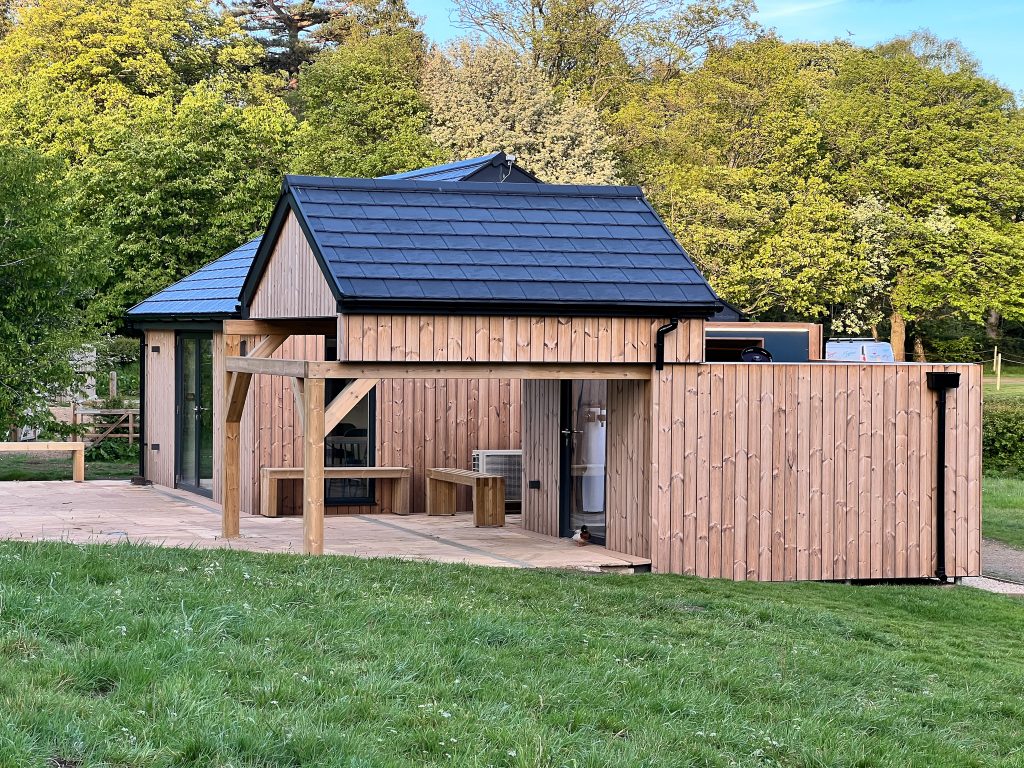
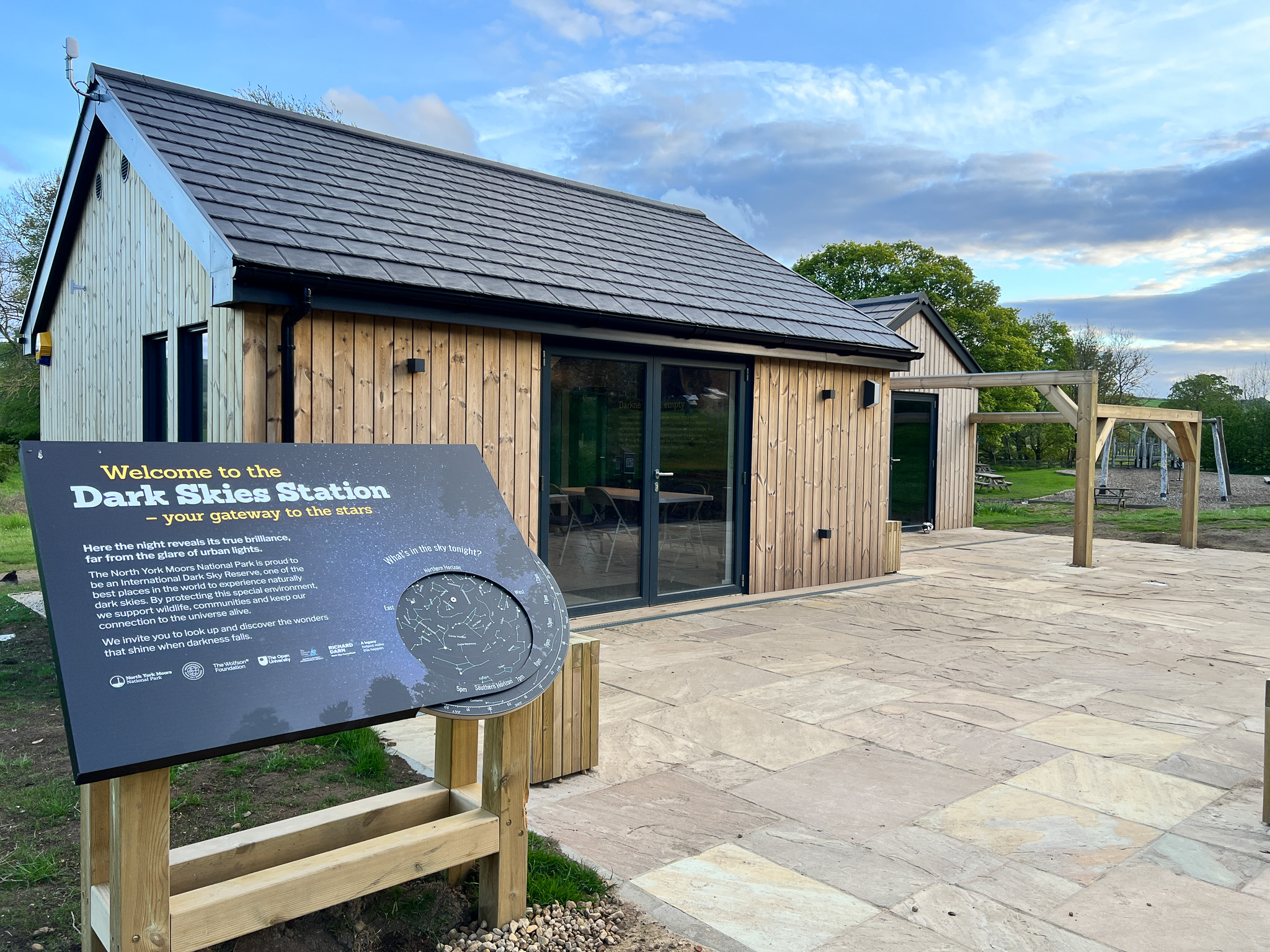
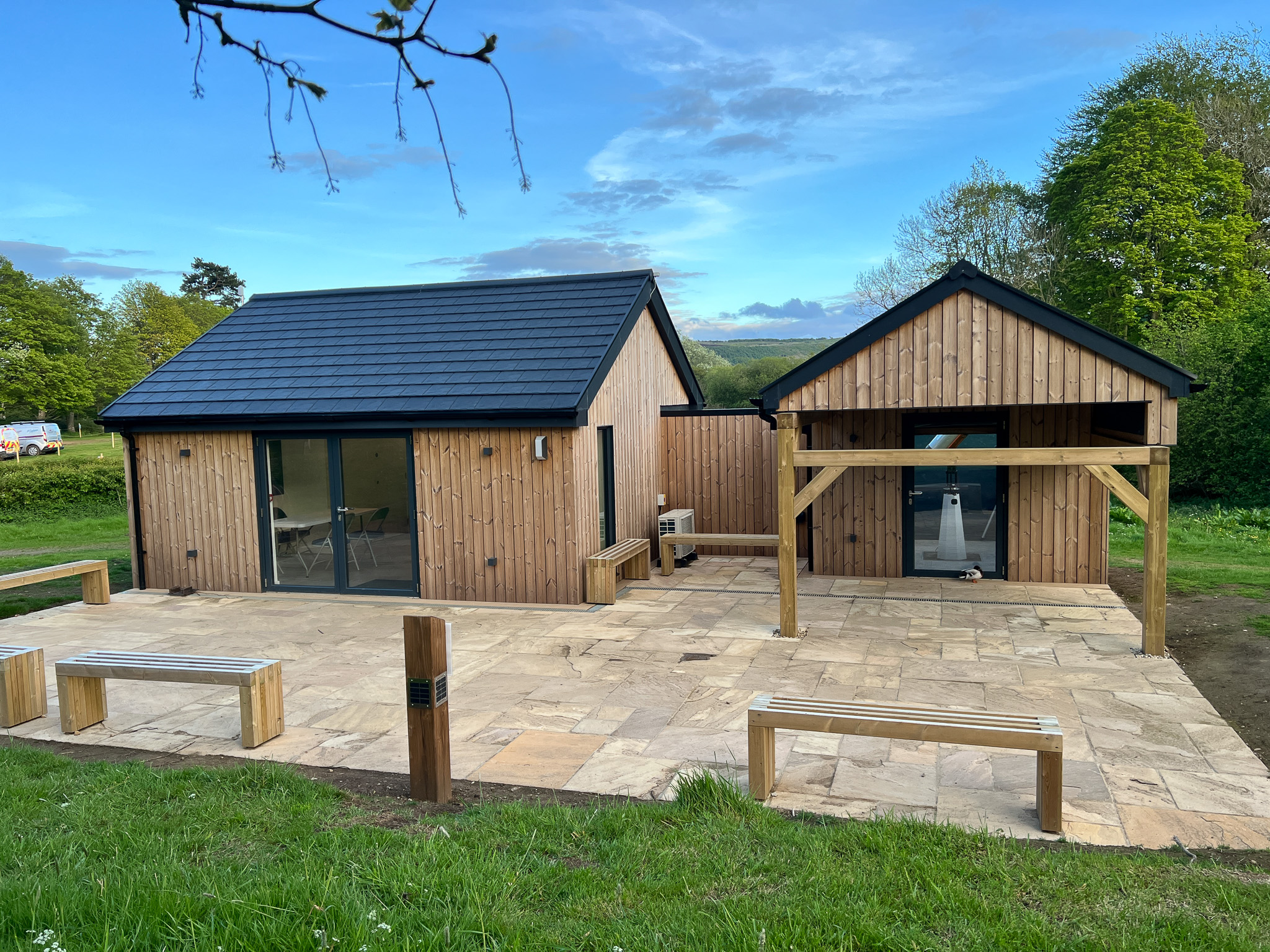
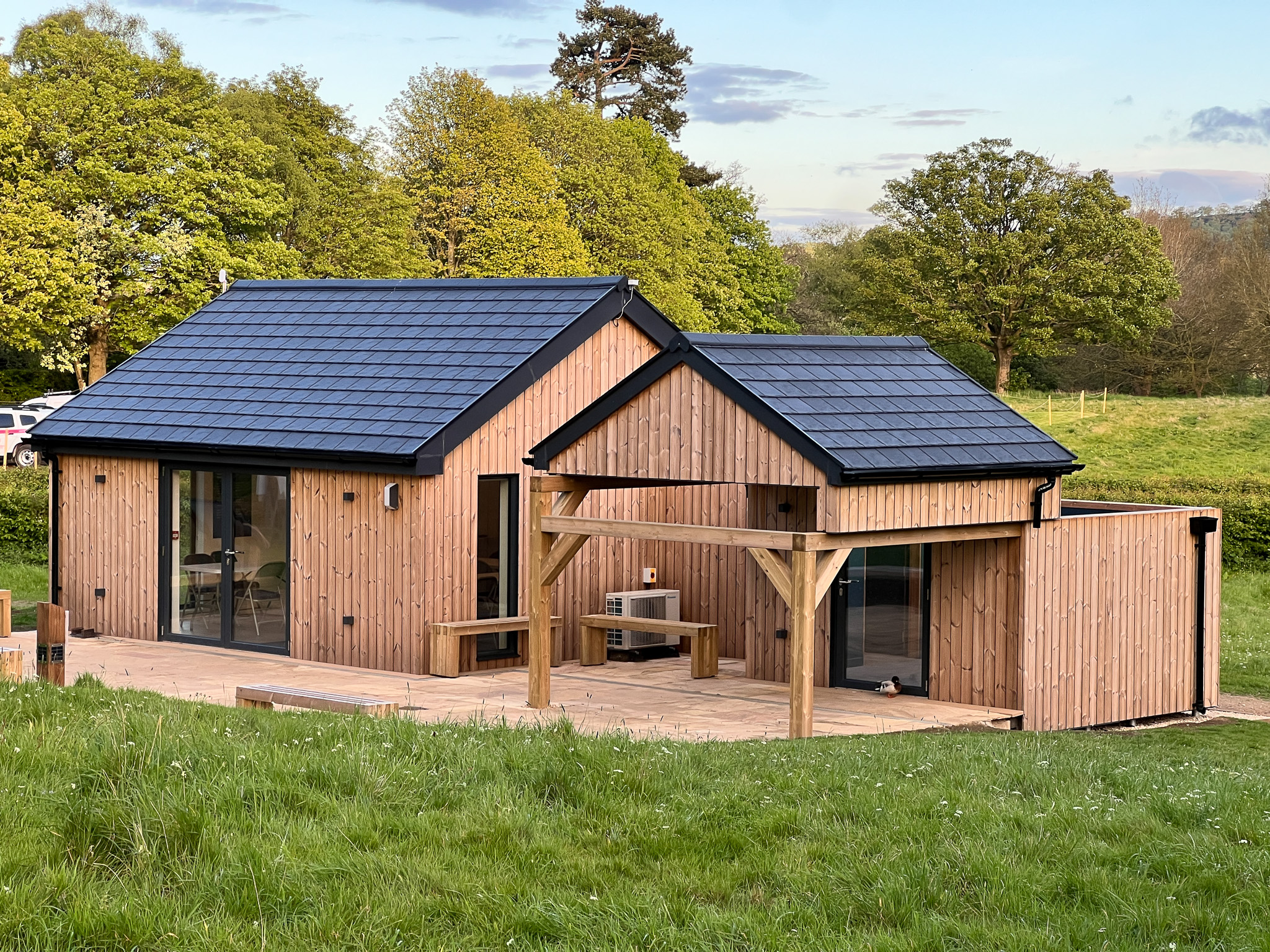
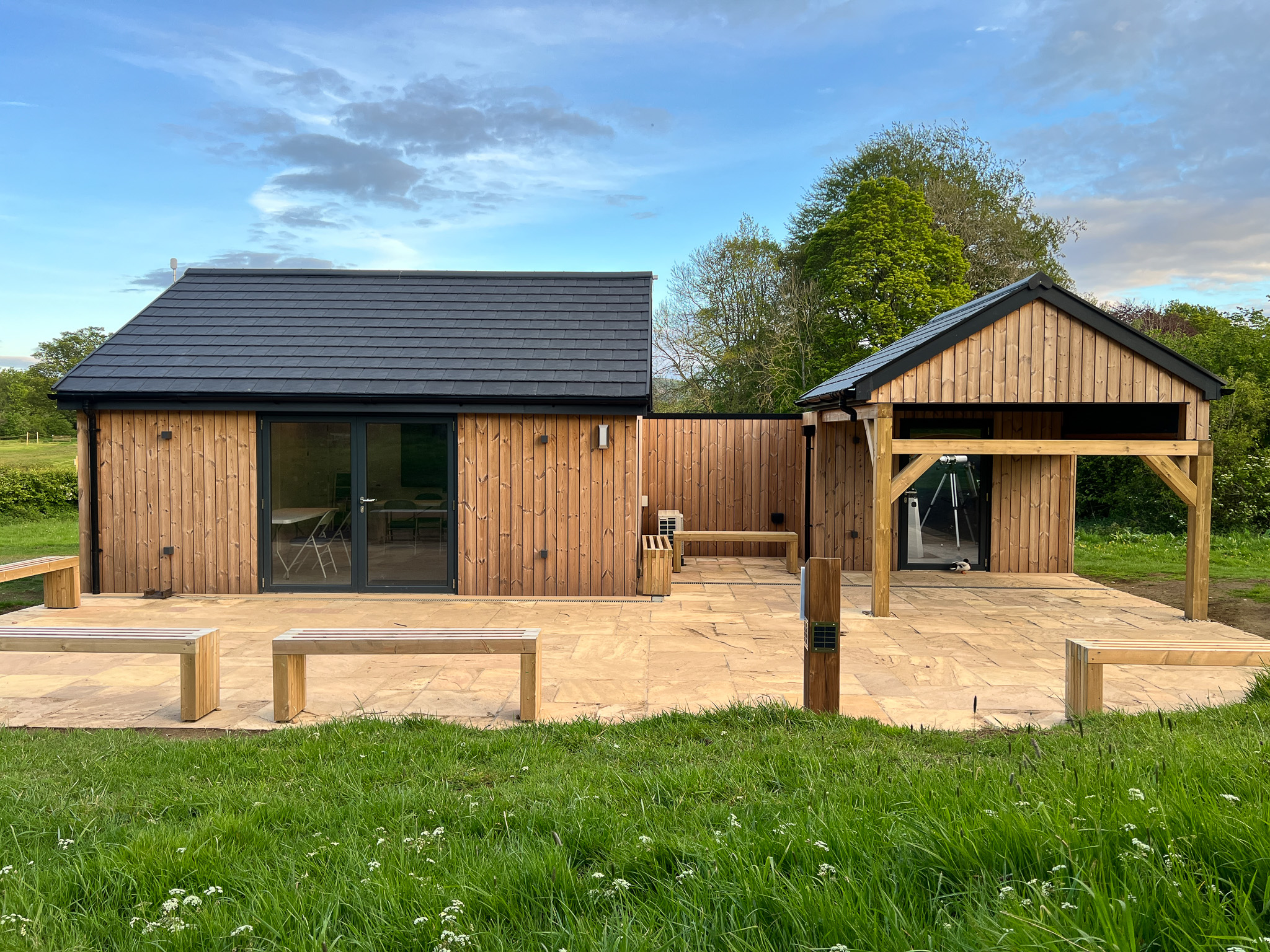
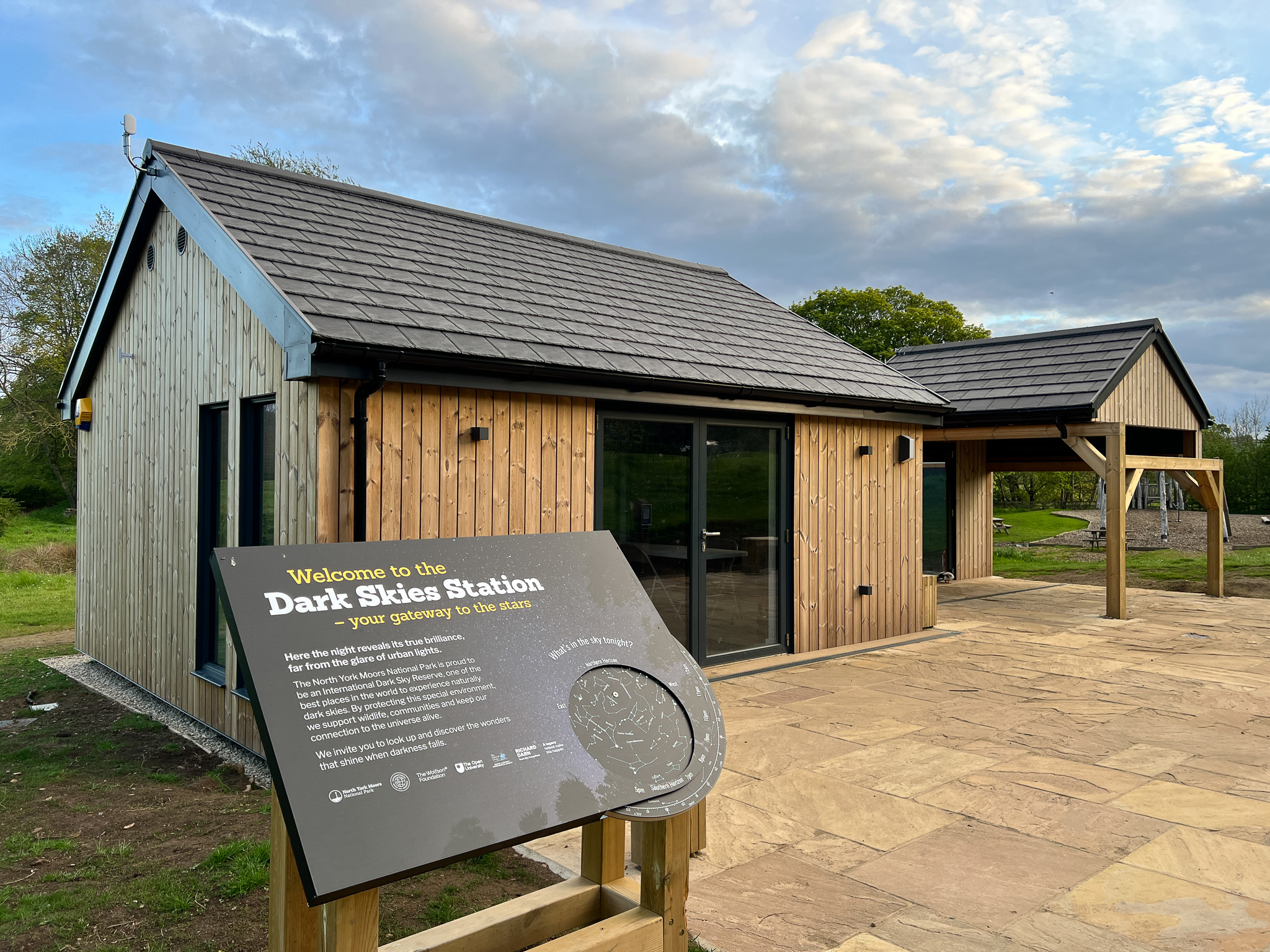
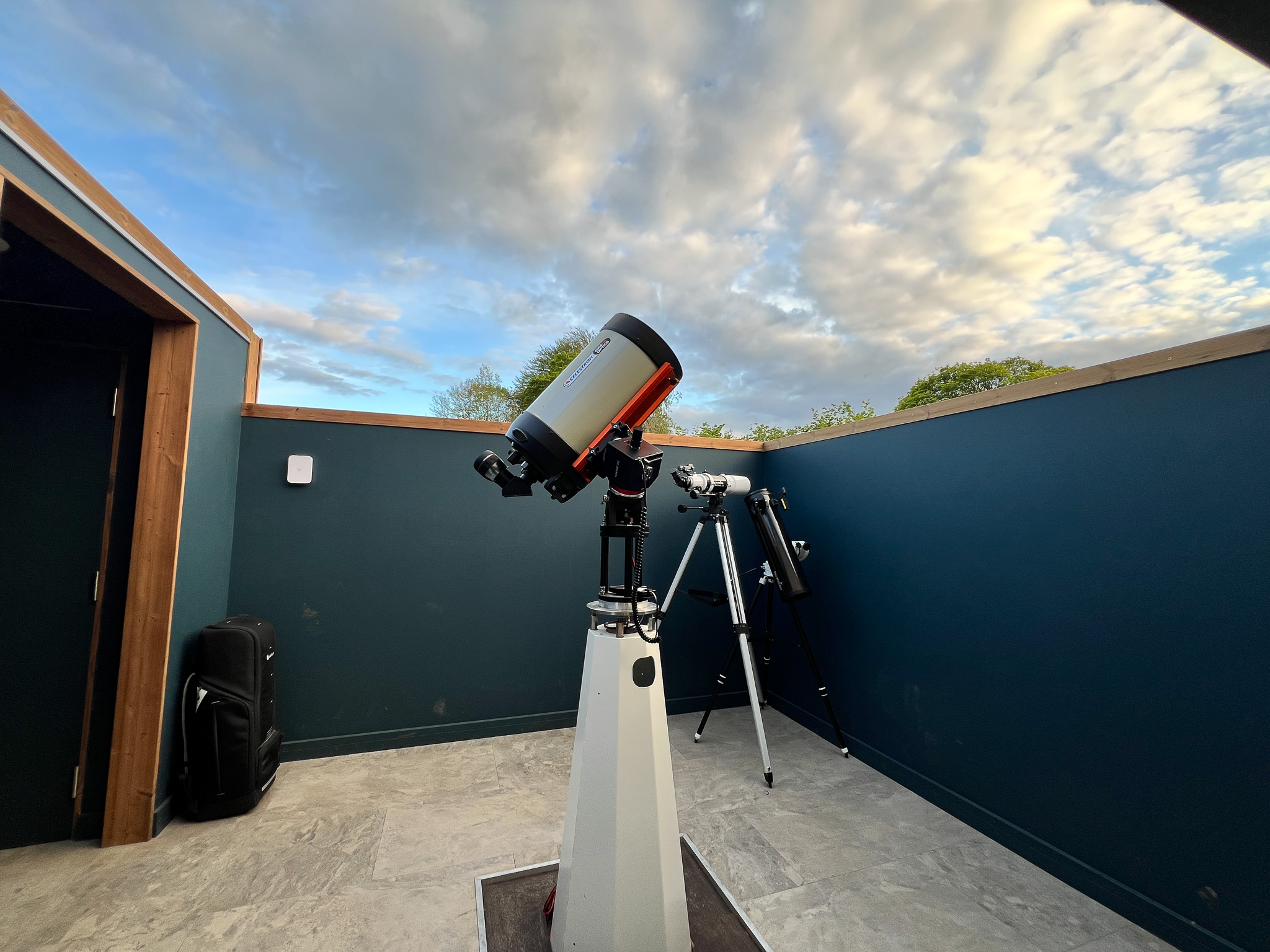
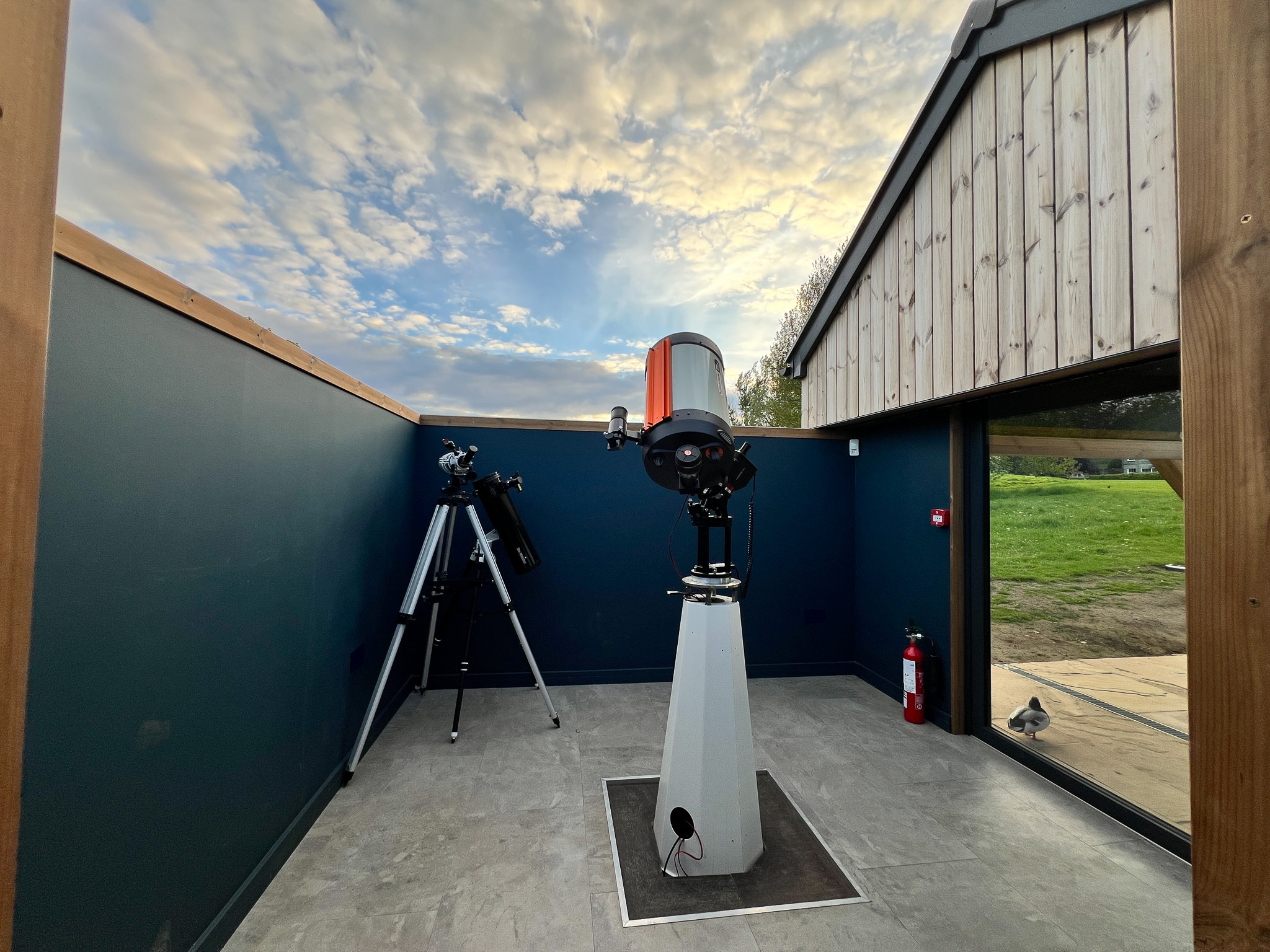
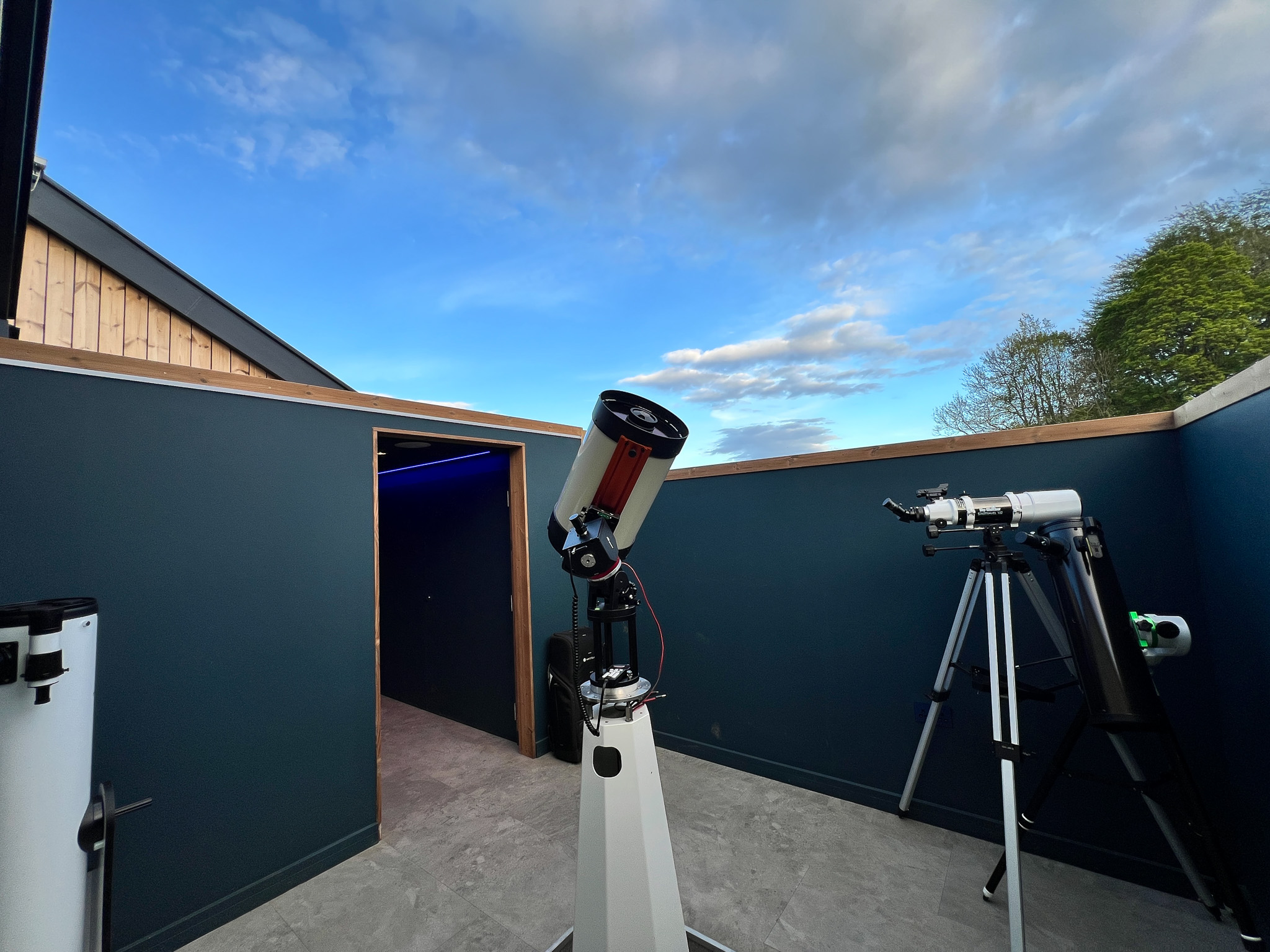
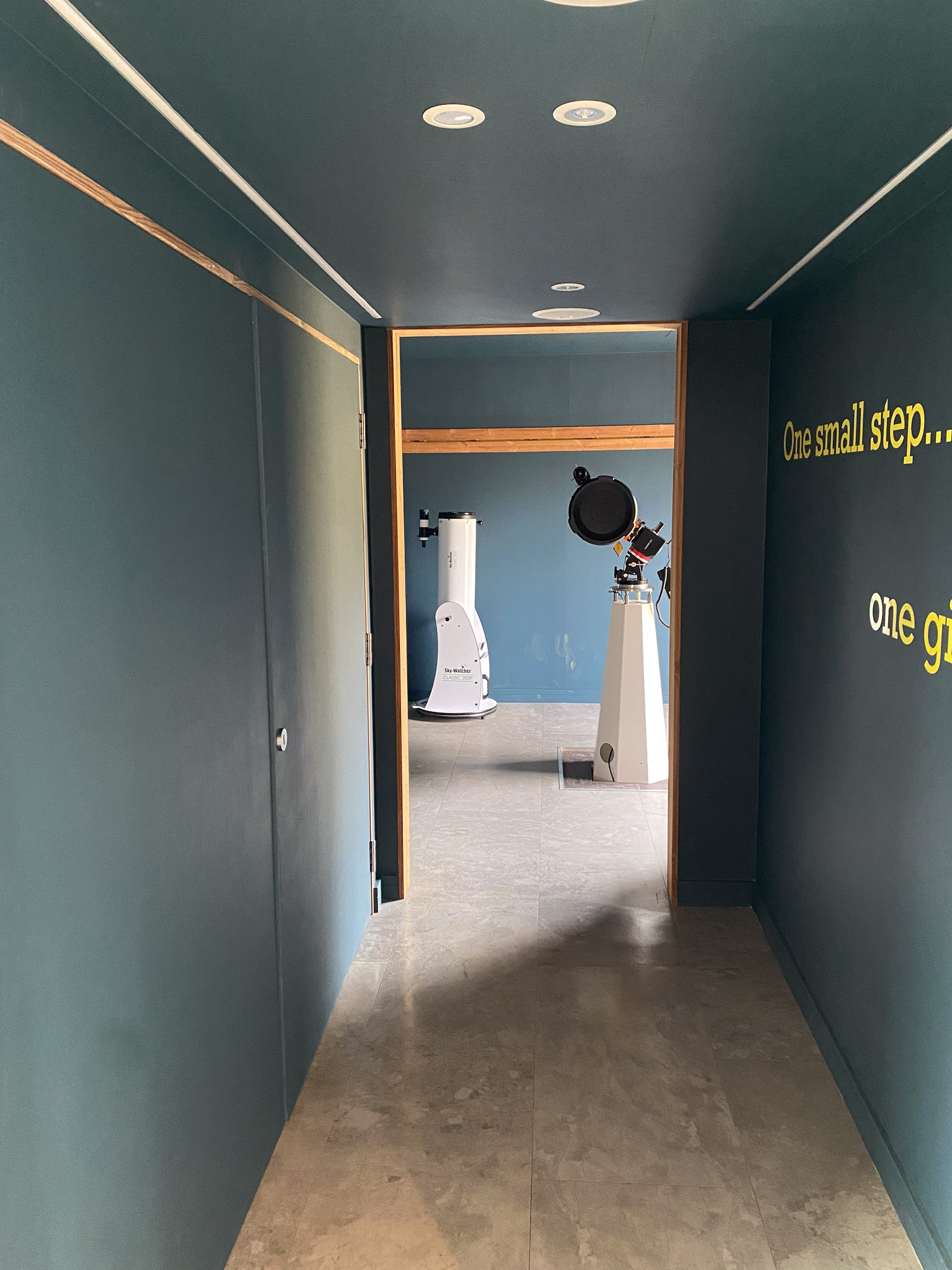
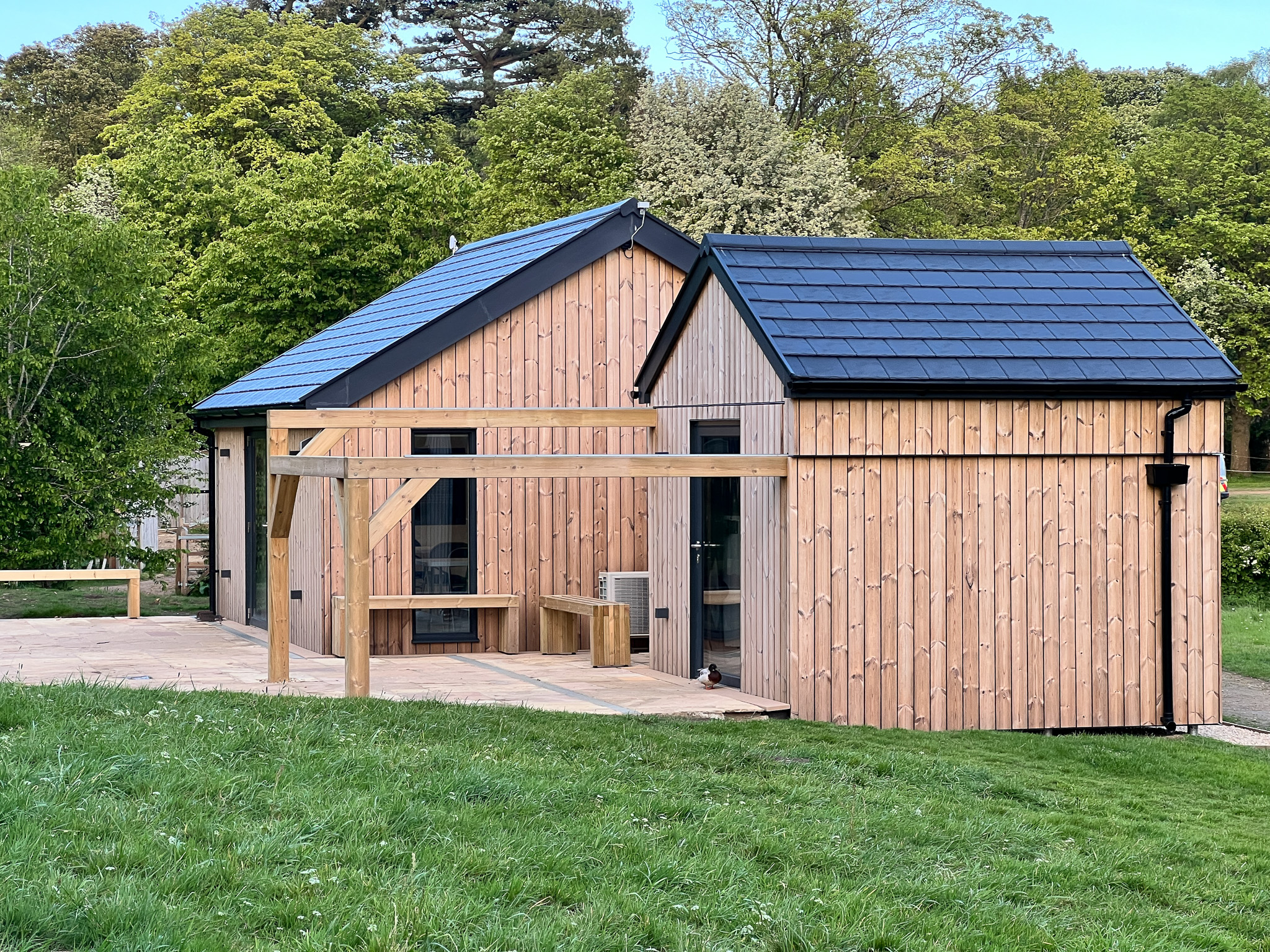
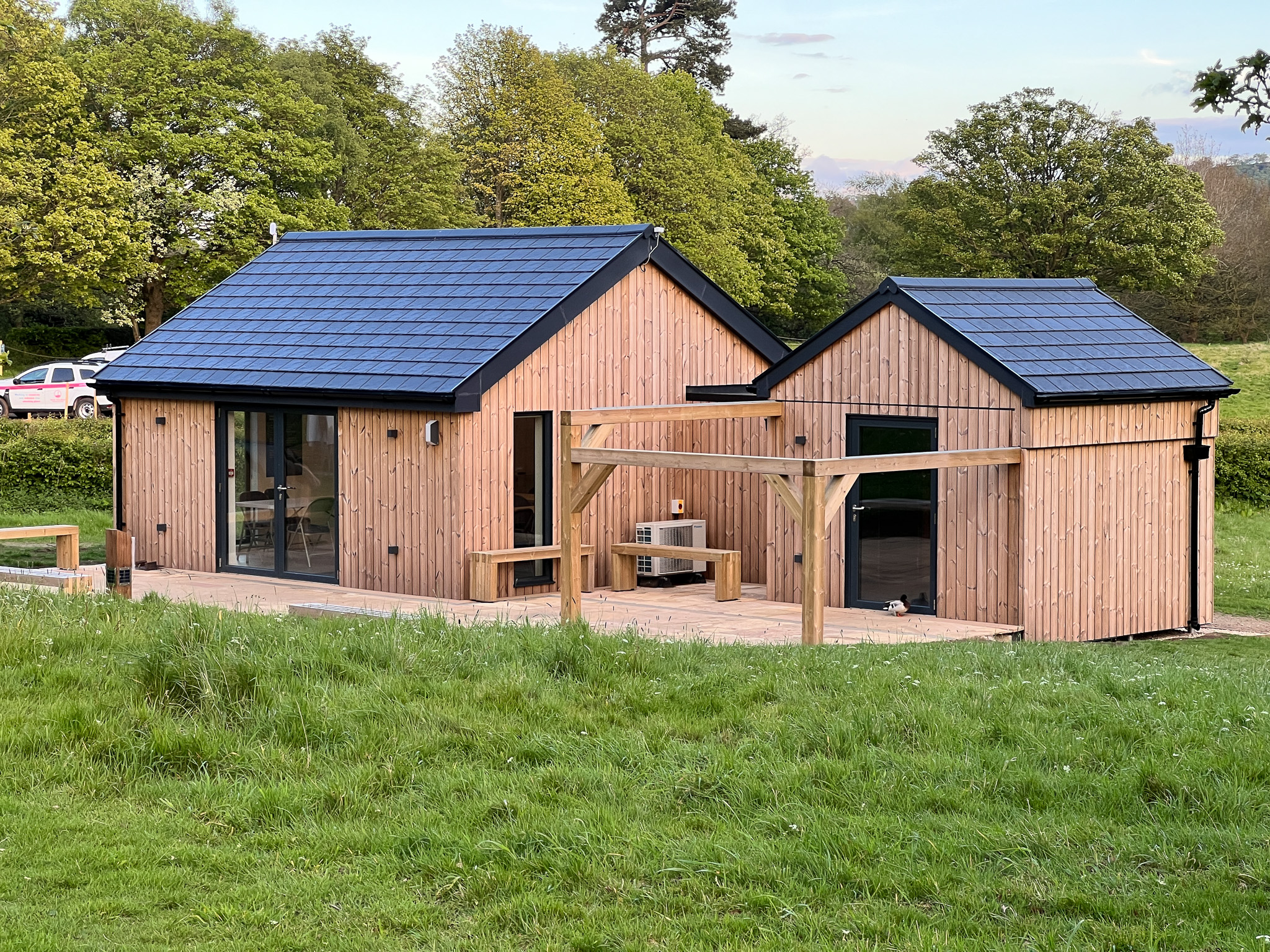
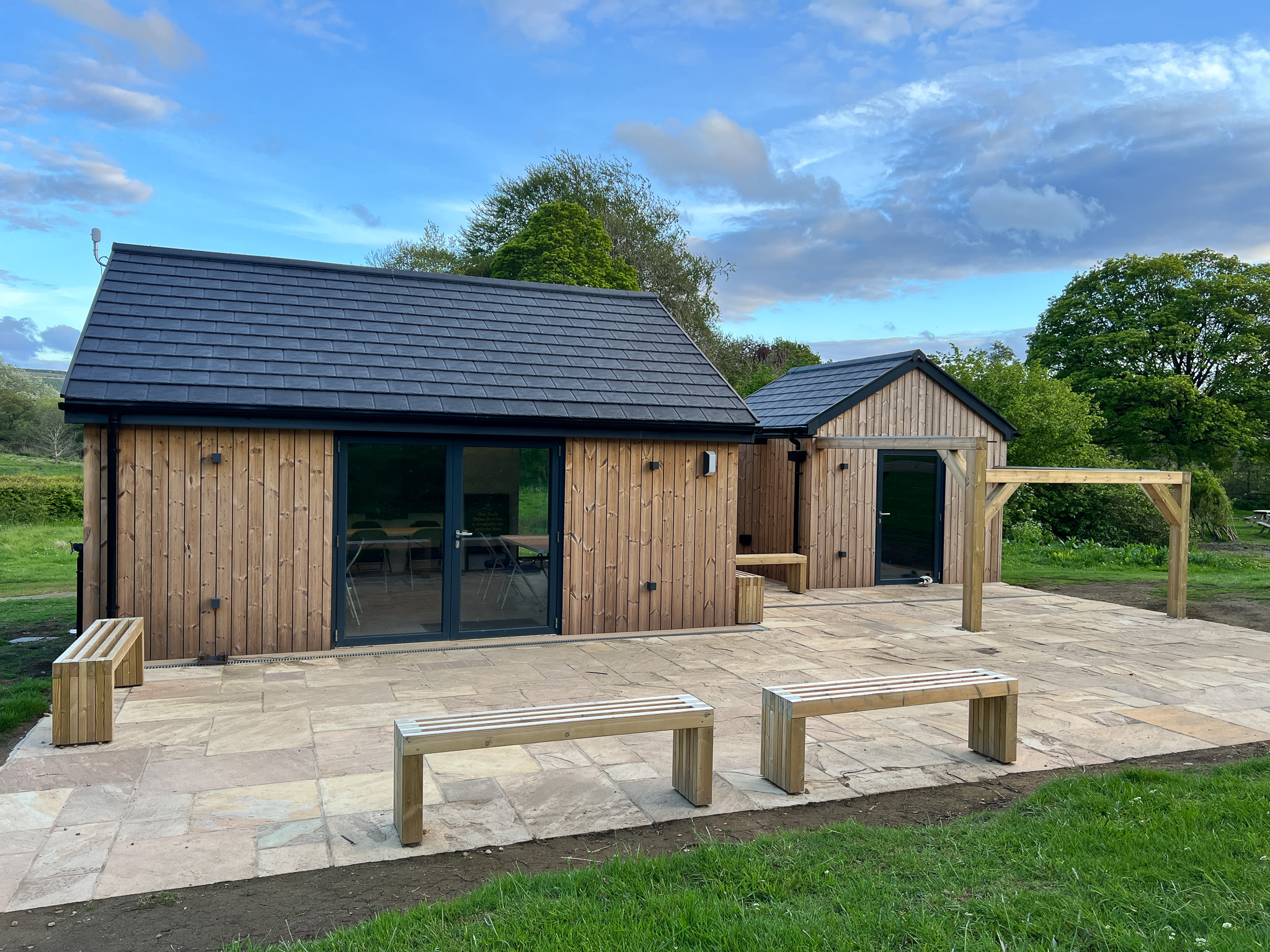
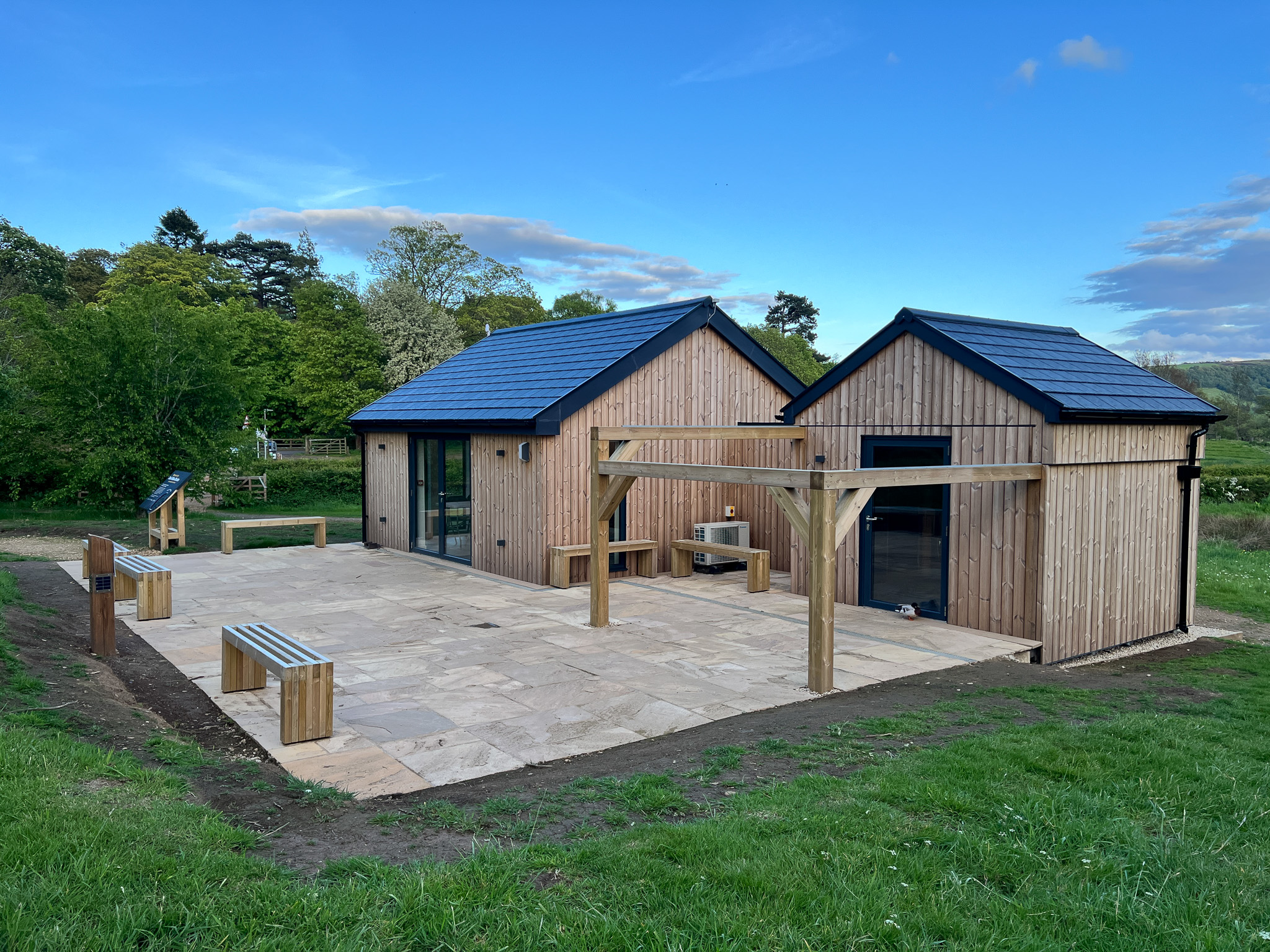
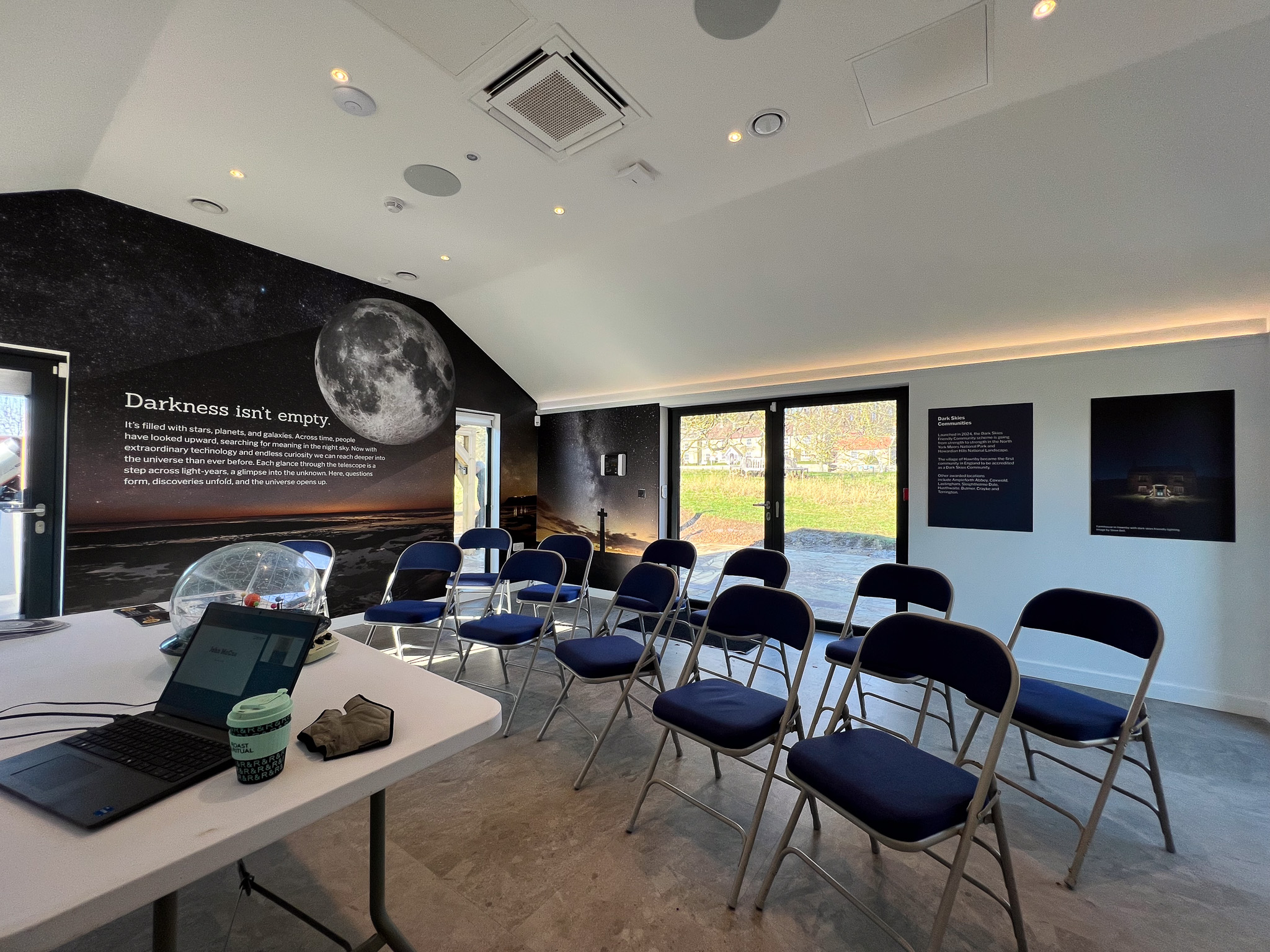
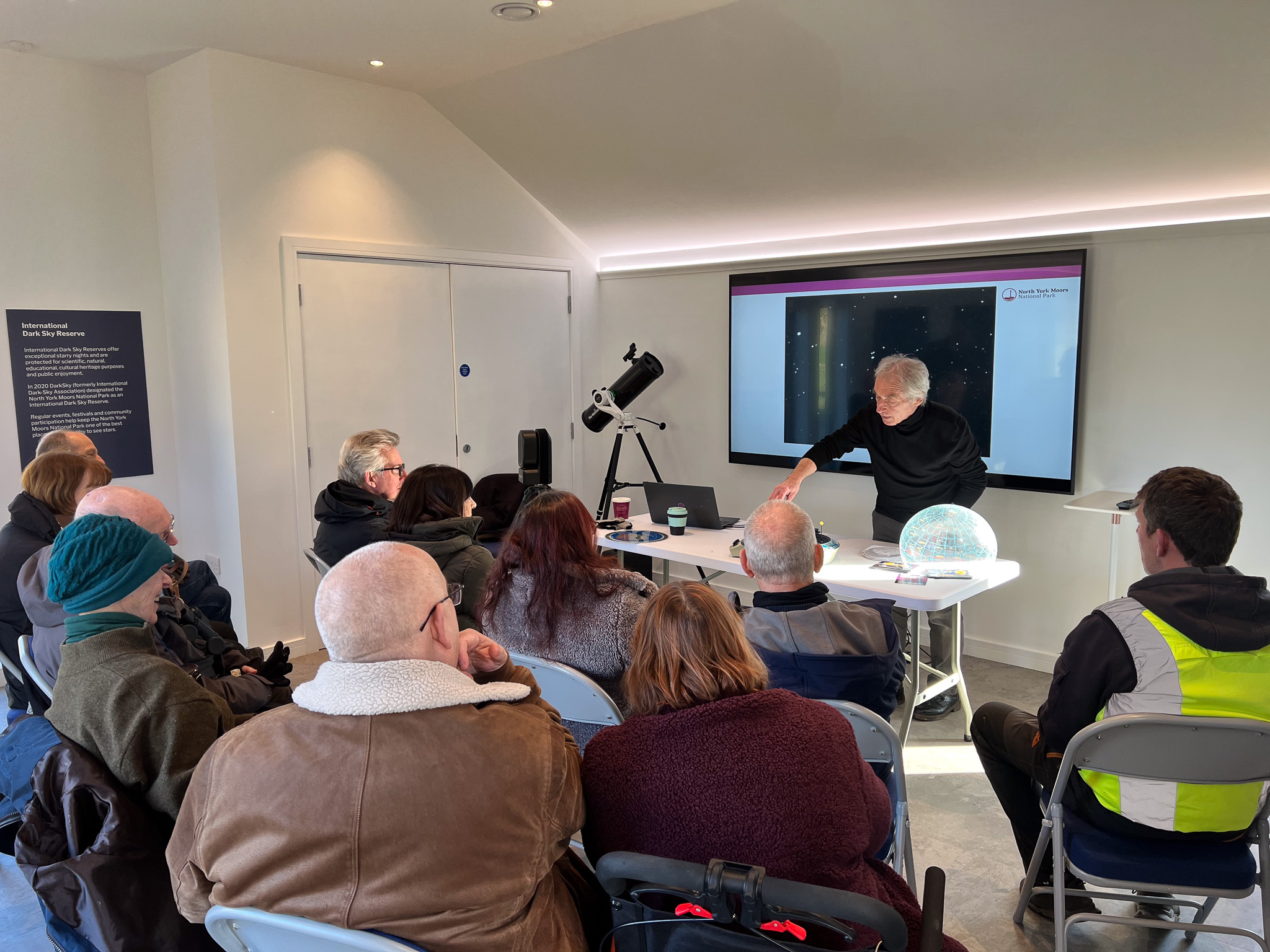
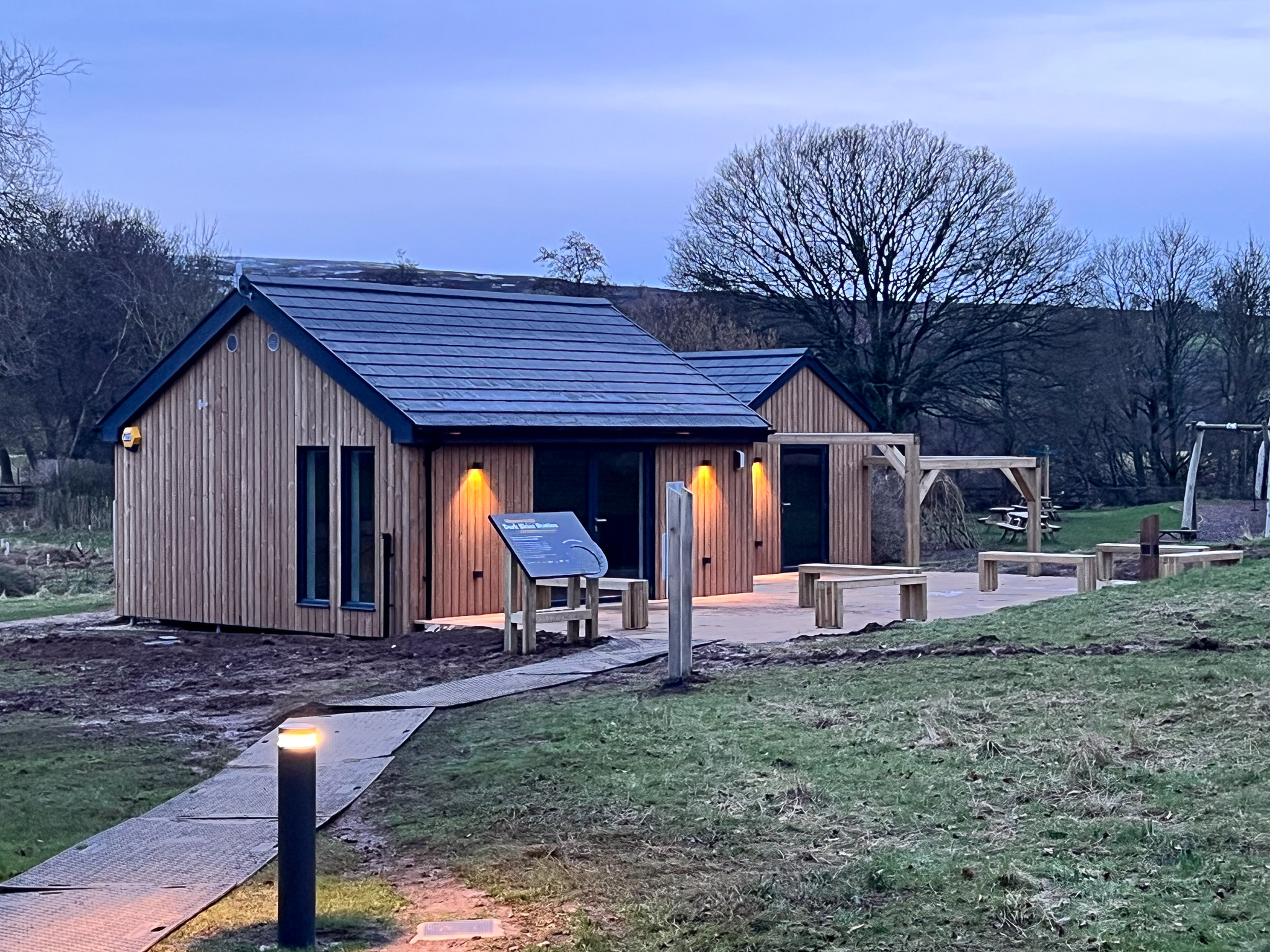
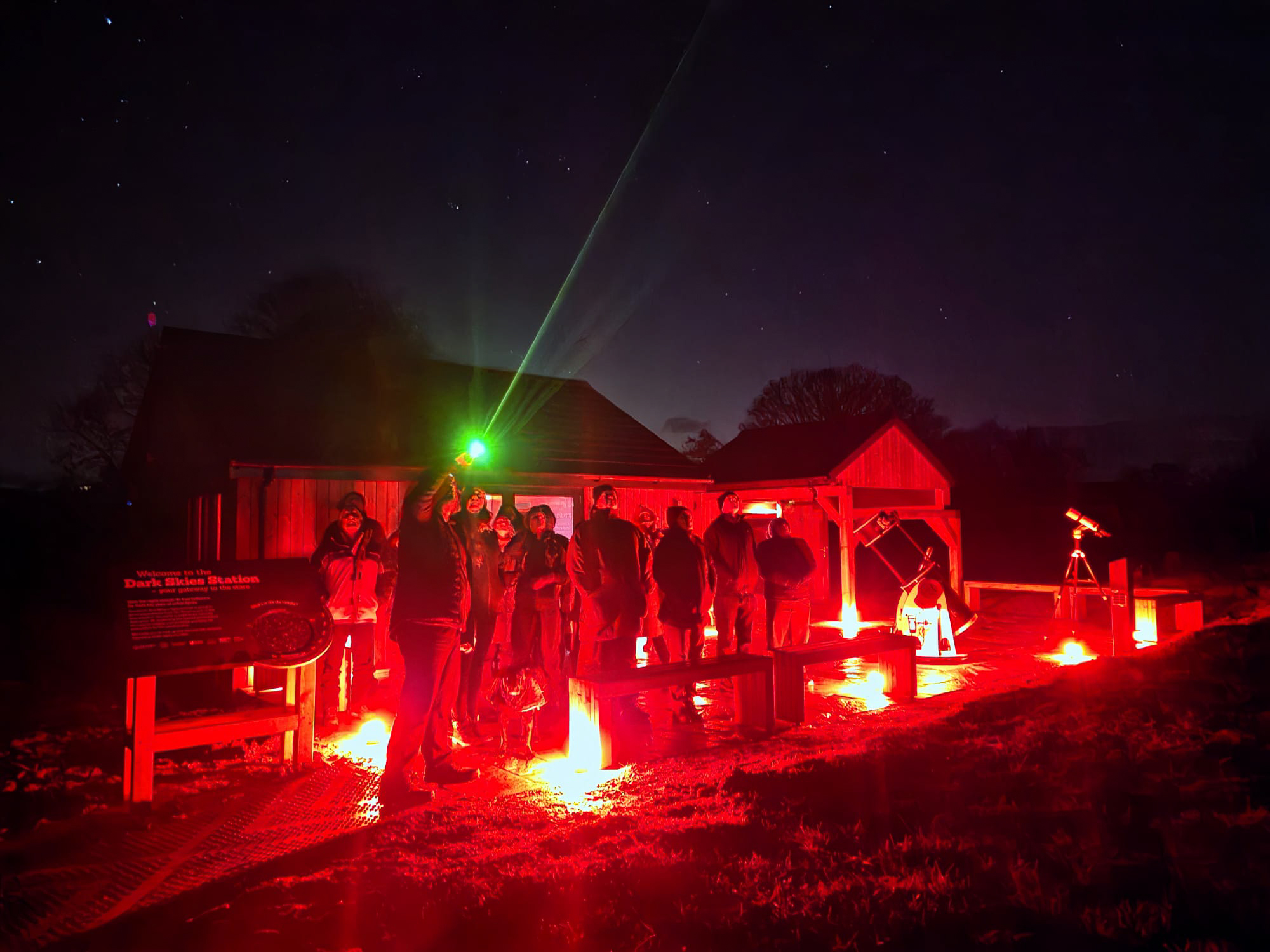
Designed and built in 2025/26 for the North York Moors National Park Authority, the Danby Dark Skies Station is a one-of-a-kind public observatory located at the Danby Lodge National Park Centre.
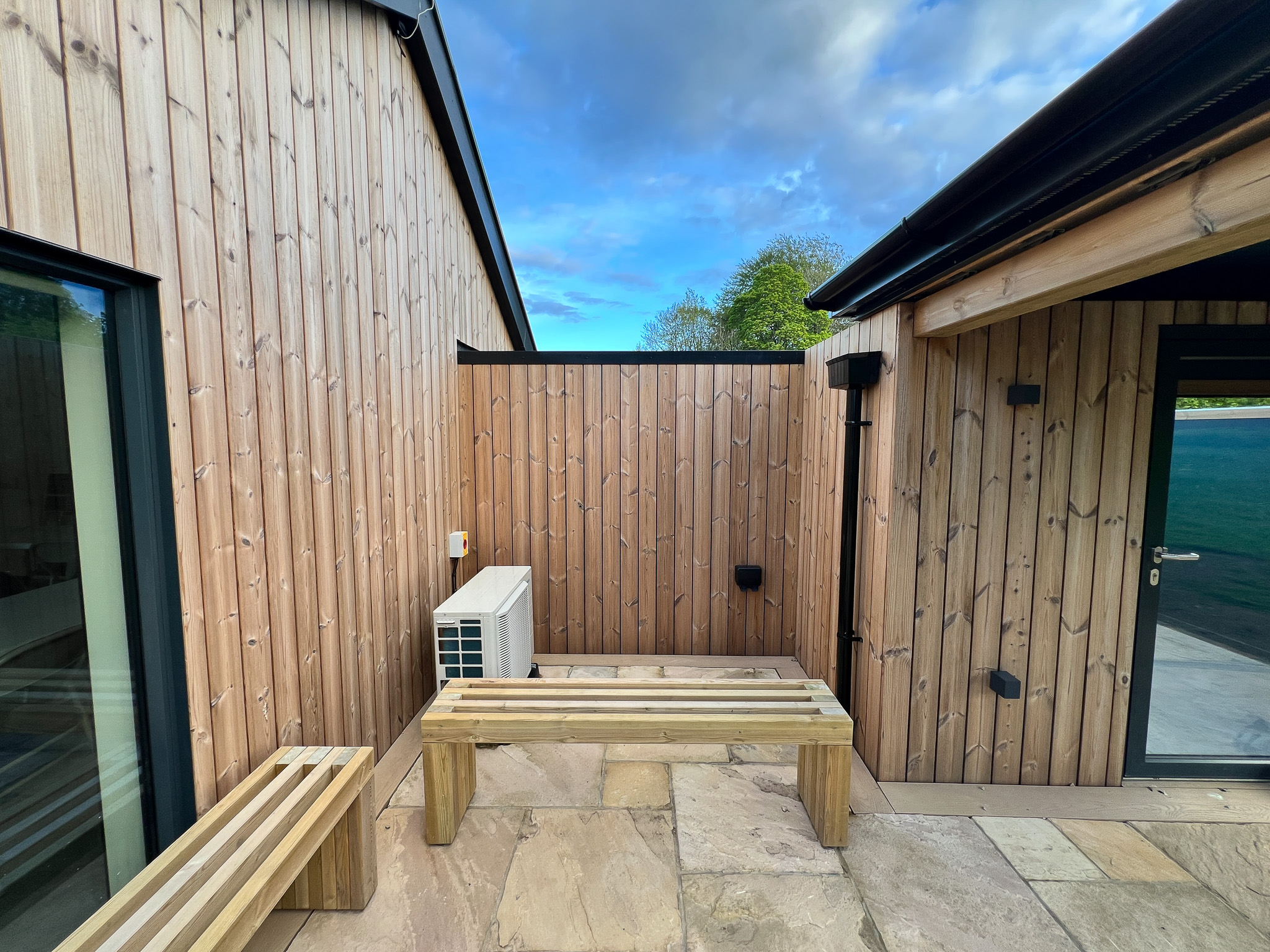
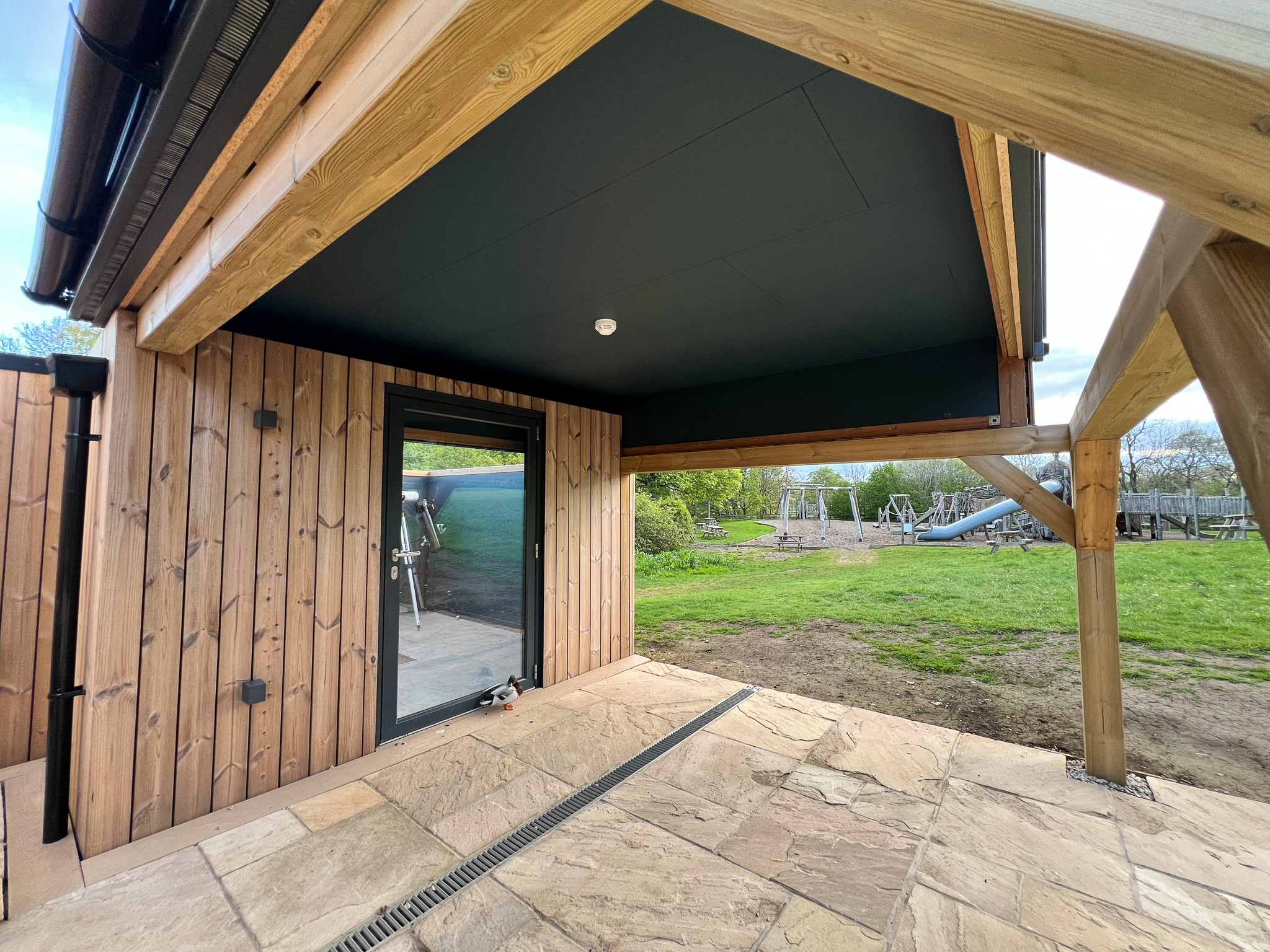
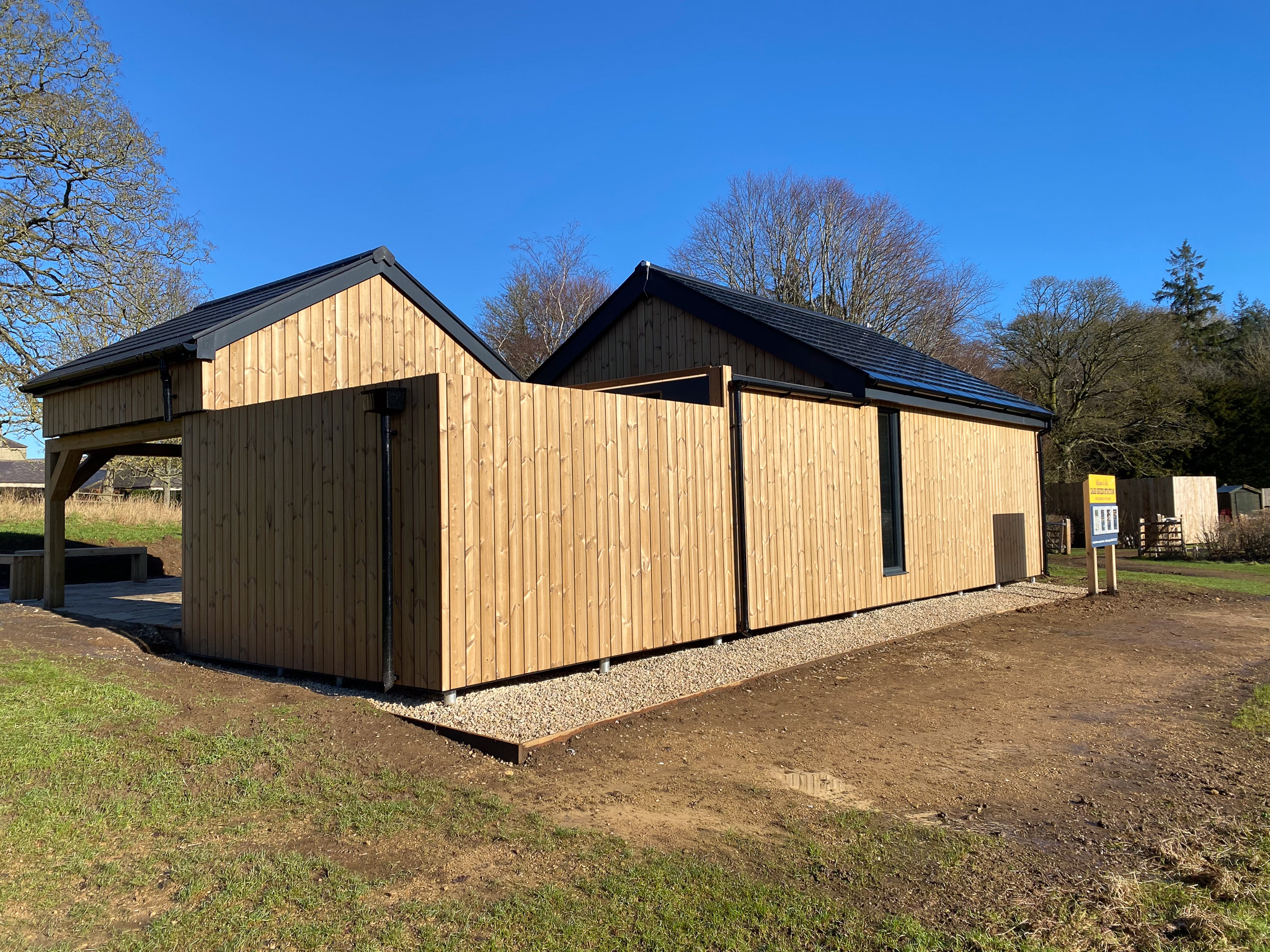
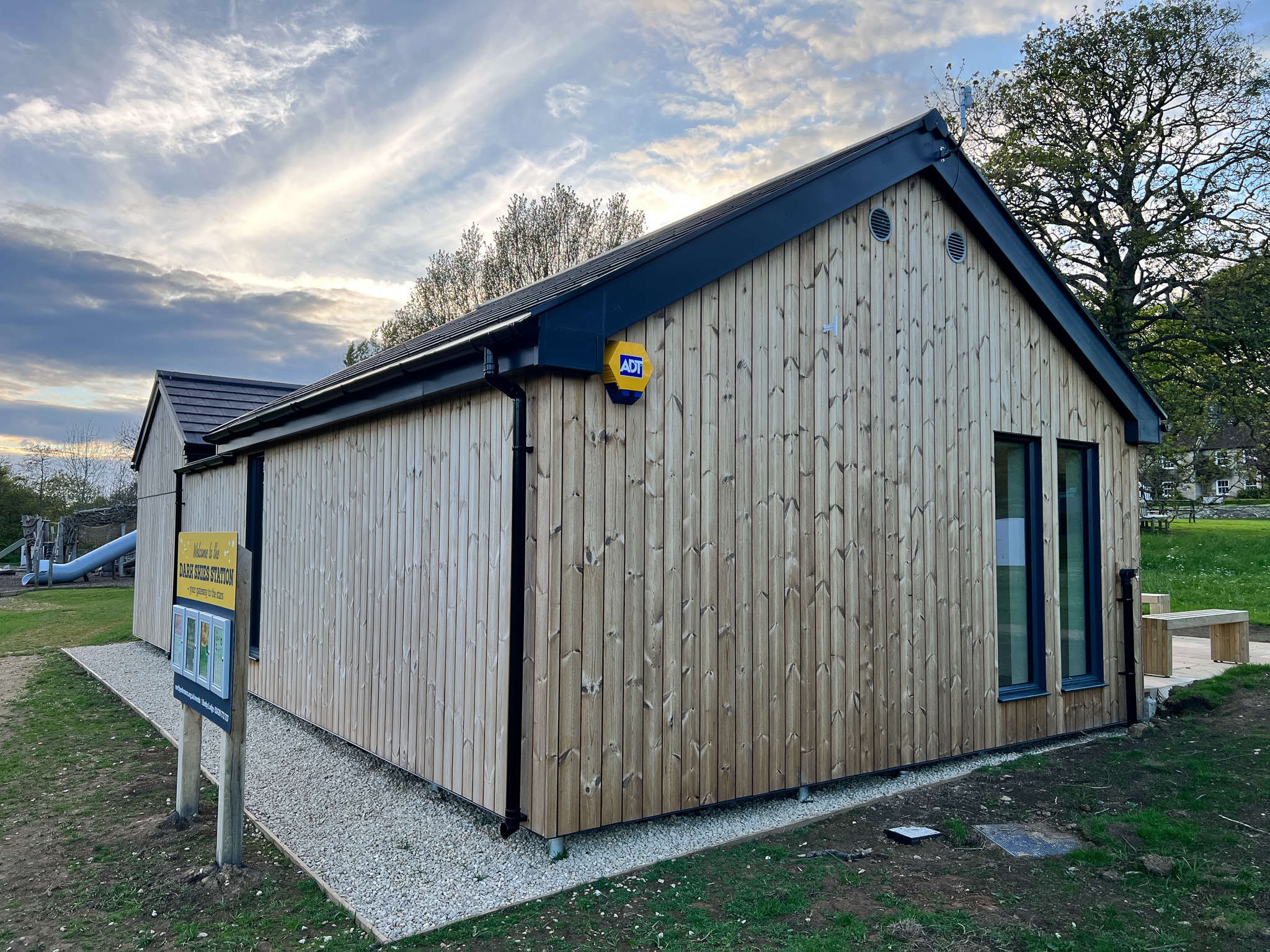
The Dark Skies Station comprises a 3.3×3.3m observatory linked to a spacious 6.0 x 5.5m classroom, all clad in vertically-applied Thermowood rain screen cladding.
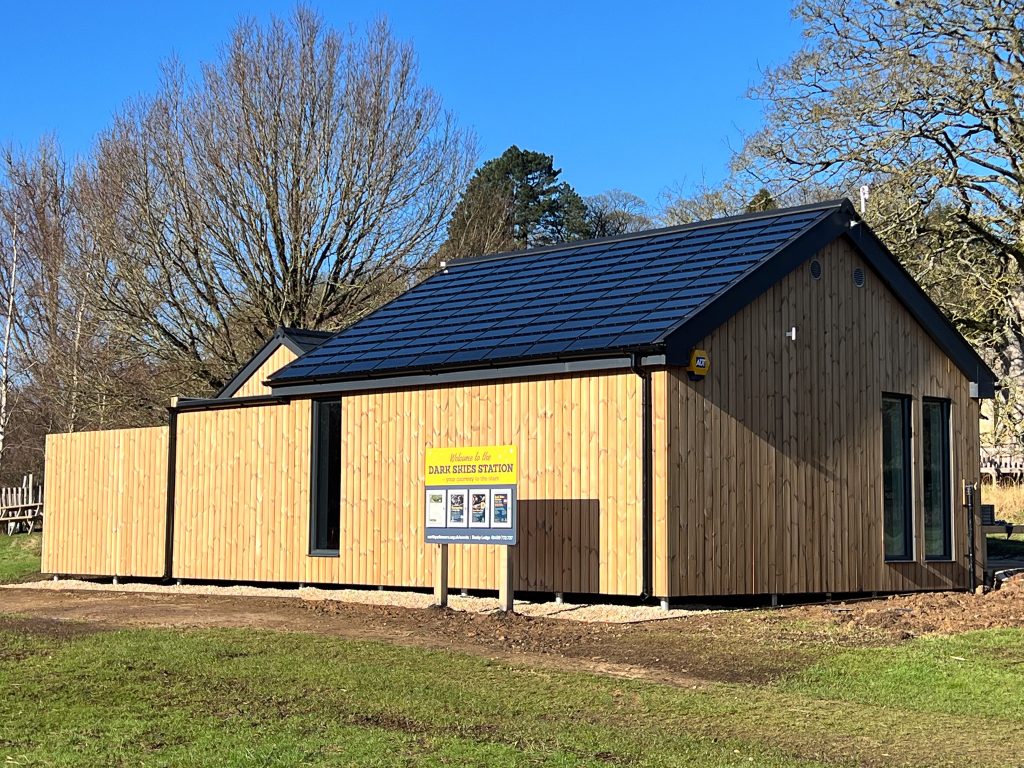
This solar-powered observatory stands at the vanguard of sustainable design – incorporating every possible feature including British-made solar roof slates, an air-source heat pump, heat-recovery ventilation, low-energy lighting and of course the very highest levels of insulation. The build does not merely net-zero-energy but in fact generates power which is used by the main visitor centre and car chargers!
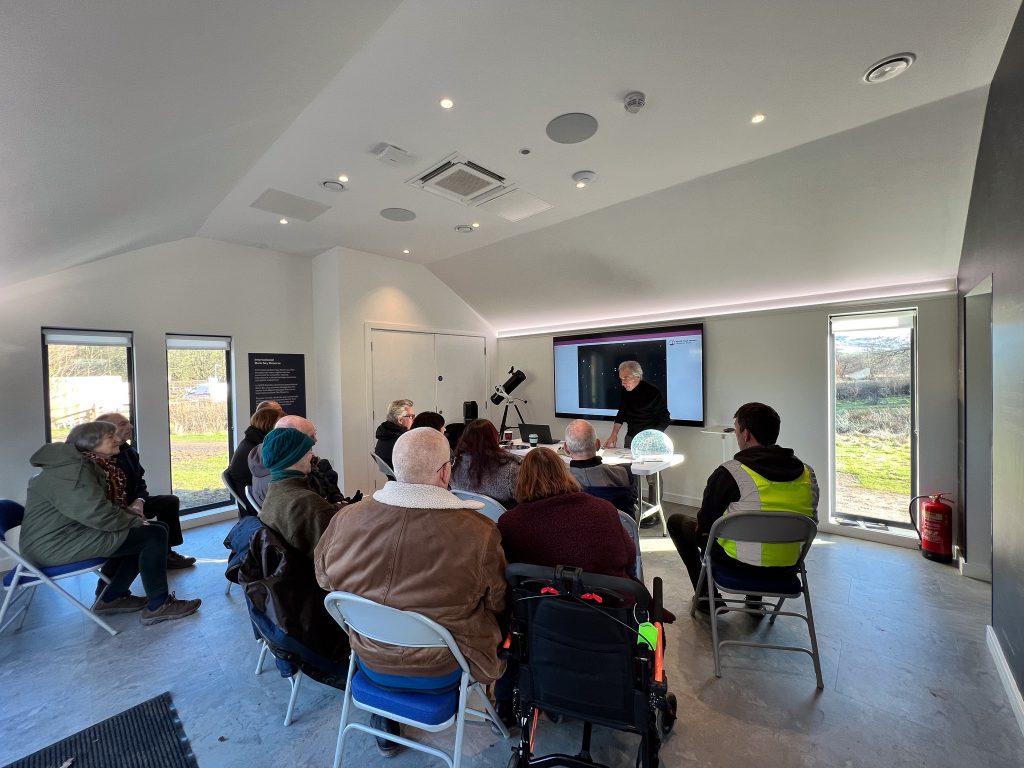
Accessibility was also a major design imperative, with wide, high-contrast doors and level access both outside and inside the building ensuring everyone can enjoy this incredible facility.
This project was made possible thanks to a combination of funding sources, with special thanks to the generous support of The Wolfson Foundation and a legacy donation. The Wolfson Foundation is an independent charity committed to advancing education and research.
Exceeding Expectations: Building Britain’s Most Sustainable Observatory
From the project’s inception, it was agreed that the Danby Dark Skies Station would be the most sustainable building we could create – from sourcing materials to building in the latest technology, every possible measure was taken to ensure the Dark Skies Station would not merely preserve, but contribute to its environment. This was baked into the building’s design from its inception – every decision made took account of three key factors for sustainability:
- Maximising the building’s longevity
- Preserving and enhancing the local environment
- Minimising energy use and carbon footprint
The most obvious contribution to the building’s environmental credentials is of course the solar roof – made in Great Britain by Envirotile, this slate-effect tile system incorporates a solar panel into each tile, and the overall system generates up to 3kW when the sun is shining. Since commissioning, the solar roof has generated 2,646 kWh as of 7 October 2026, which has all been used to power the main visitor centre and the EV chargers in the car park.
That figure – 2,646 kWh – is updated here every few minutes directly from the Dark Sky Station’s building management system, a comprehensive automation system that controls the lights, heating, cooling, ventilation, audio and power – all with the aim of providing a seamlessly well-lit, comfortable environment for users whilst optimising power use given the conditions both inside and out. Overall, this means that the building uses less than 1/3 of the power it generates – which means it’s a power station as well as an observatory!
Other important sustainability measures included:
- Locally sourced materials used wherever possible, reducing delivery miles (including 63 tonnes of local aggregates and the main glulam roof beam all produced in Yorkshire).
- British-made products used wherever possible (e.g. roof tiles, insulation, sheathing, timber cladding, fire-retardants, internal and external doors and windows, signage and much more.
- Local labour employed for many specialist jobs (e.g. plastering and flooring)
- Ground protection mats and tree protection fencing employed throughout the build to prevent soil compaction and protect tree roots.
- All timber fully FSC-certified
- The entire building fully removable and almost entirely recyclable at the end of its service life, including the use of a ground screw foundation which can be simply unscrewed without any damage to the soil.
- A vast hidden sustainable drainage system to cope with 1 in 100-year storms and slowing down the flow of rainwater to prevent overwhelming the nearby River Esk.
- Air-source heat pump for heating and cooling, which is automatically switched off when no-one is present in the building.
- Mechanical ventilation with heat recovery – ensures a constant supply of fresh air with up to three complete air changes per hour – whilst retaining the warmth by transferring it from the stale air to the fresh air with 90% efficiency.
- Low-energy lighting automatically controlled to reduce power usage by only lighting areas that are occupied and automatically compensating for ambient light levels.
- Exceptionally high levels of insulation placing all the walls, floor and roof U-values well beyond current building regulation requirements.
- State-of-the-art doors and windows with specially treated glass that rejects the sun’s heat to prevent overheating, whilst keeping more warmth inside during winter months (compared to standard Low-e glazing).
| Overall Size (m): | 12.1 x 5.5 m |
| Observatory Size (Internal, m): | 3.0 x 3.0 m |
| Warm Room Size (Internal, m): | 5.5 x 5.0 m |
| Total length including frame (mm): | 12.1 x 6.8 m |
| Roof type: | Pitched (Observatory & Classroom), Flat (Link) |
| Exterior Cladding: | Redwood Thermowood rain screen cladding applied vertically using secret clip system |
| Interior Wall Lining: | Nordic Pro Wall (Observatory, Link), Fully plastered finish (Observatory) |
| Roof Covering: | Envirotile Slate-Effect tiles & solar tiles (Classroom and Observatory), One-piece EPDM rubber membrane (Link) |
| Roof Pitch: | 30 degrees |
| Additional Features: | Full building automation, heat-pump heating & cooling, mechanical ventilation with heat recovery |
| Location: | Danby, North Yorkshire |
| Completed: | February 2026 |
| Approximate Project Cost*: | £200,000 |
* Approximate project cost does not include VAT, telescope or pier, and represents what a similar project might cost if completed now, including any improvements to our base specification.